The devastating impact of invasive species
Ecosystem Disturbance:
Climate change may make existing invasive species control tools less effective.
Extreme weather events like droughts, wildfires, and floods destroy native vegetation, creating bare ground and resource gaps that invaders quickly exploit;.37000 INVASIVES SPECIES are impacting native ecosystems around the world.
The cost is huge for the global economy = more than 423 billion annually by destroying crops , disrupting infrastructure and sowing environmental chaos.
The impact on human health is high too,
Two exemples
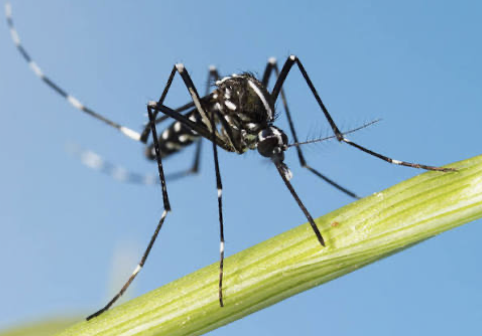
-The tiger mosquito
Recognizable by its black and white stripes, this mosquito species originates from the tropical forests of Southeast Asia. Today, it can be found in 100 countries around the world. The tiger mosquito is particularly dangerous to humans, as it can carry viruses such as malaria, dengue, or chikungunya.
-La jacinthe d’eau (Pontederia crassipes) —Water hyacinth (Eichhornia crassipes) is widely considered one of the most destructive invasive freshwater plants in the world. While it produces attractive lavender-blue flowers, its aggressive growth causes severe ecological, economic, and public health damage
Ecological Damage
Oxygen Depletion: Dense floating mats block sunlight and prevent oxygen from dissolving into the water. As the plants die and decompose, bacterial breakdown creates hypoxic “dead zones” that suffocate fish and aquatic life.
Loss of Biodiversity: It grows at an explosive rate—doubling in size in as little as 6 to 14 days—outcompeting and shading out native submerged and floating plants.
Changing climate conditions have bearing on every aspect of biological invasions, in some cases worsening existing problems. Climate change is creating new pathways for invasive species to be introduced, such as shipping routes that open up as sea ice retreats. Warmer temperatures can allow existing invasive species to expand their range into habitat that is currently too cool. Similarly, impacts to native species and people may change if new conditions affect invasive species abundance.
What do you think?