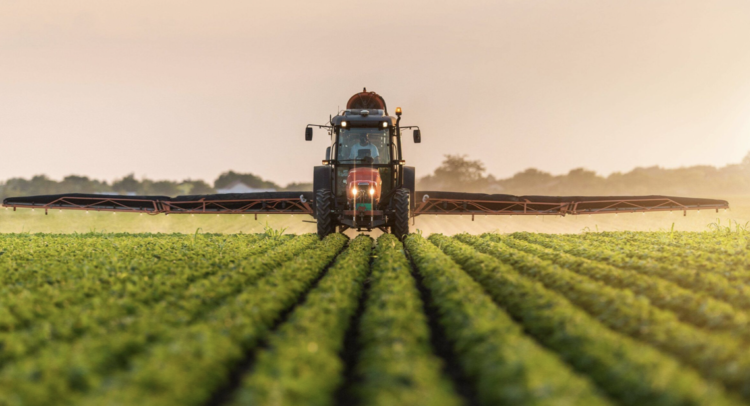
Sustainable agriculture benefits
By admin3485, 21 September 2026
Green Agriculture and Sustainable Practices
Sustainable agriculture aims to reduce the impact of agricultural practices on soils, water, and ecosystems. It relies in particular on limiting chemical inputs, diversifying crops, rotating plots, protecting organic matter, and using biological solutions whenever possible.
- Reducing the use of excessive pesticides, herbicides, and fertilizers helps limit nitrate leaching, water contamination, the degradation of soil biological activity, and the accumulation of undesirable substances in agricultural land.
- Collecting and storing rainwater can reduce dependence on external water sources, thus promoting more autonomous and sustainable management. Implementing soil conservation practices, such as permanent mulching, helps prevent erosion and maintain adequate water retention in the soil.
- Furthermore, strategic crop planning based on water availability and the identification of crops adapted to local conditions contribute to the efficient use of this resource.
- Adopting sustainable agricultural practices offers numerous key benefits.

-
From an environmental perspective, it promotes biodiversity through crop rotation and ecosystem-friendly management practices, and contributes to carbon sequestration. From a socio-economic perspective, it creates stable jobs, strengthens local economies, and improves the long-term profitability of farms. Moreover, these practices produce healthier and more nutritious food, thus contributing to improved human health. Finally, sustainable agriculture also includes the proper management of water resources, promoting the responsible and sustainable use of this vital resource.
These combined practices create a resilient, environmentally sound agricultural system that benefits local communities, thereby helping to ensure a prosperous planet for future generations.
What do you think?