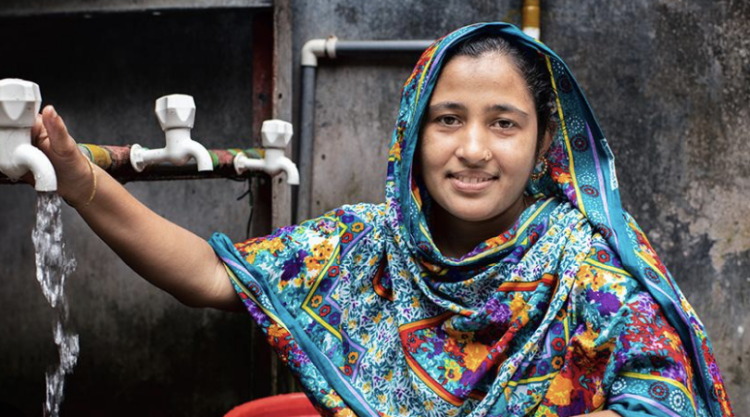
Clean water brings dignity
Water pollution threatens nearly all the globally agreed development goals to end environmental destruction, poverty, and suffering by 2030, economists warned citing the largest-ever database on the world’s water quality.
Over 40% of rural water systems fail within five years wasting billions of dollars and threatening millions of lives.
The World Bank report warned of the ripple effects of water pollution on the health, economies, education, and agriculture of rich and poor countries alike.
“This study was a huge wake-up call to us about the quality of water worldwide,” said Richard Damania, World Bank economist and one of the study’s authors.
“The world tends to focus on water quantity such as floods and droughts, but this report focuses on the more invisible threats — the effects of pollutants impacting global water quality,” Damania said. “Pollution affects countries both rich and poor. It is just the cocktails of chemicals that change;(….) Plastics and pharmaceutical contaminants are problems everywhere.”
Ripple effects of consuming pollutants include childhood stunting, infant mortality, lowered economic activity, and food production.
“Information is the first step,” said Damania, in league with water rights groups.
“Chemical contamination such as arsenic in Bangladesh, mercury in Maputo and fluoride in parts of Kenya are major concerns,” said Neil Jeffery, the CEO of water rights group Water Sanitation for the Urban Poor (WSUP).
“Clean water brings dignity. Entire communities are trapped in a vicious cycle of poverty, with a lack of basic water and sanitation impacting health, school attendance and livelihoods,”
What do you think?